Istanbul Hosts X International Middle East Conference on “Future Expectations”

Istanbul Hosts X International Middle East Conference on “Future Expectations”
The 10th International Middle East Conference was held in Istanbul on Tuesday, May 12, 2026, under the theme “Future Expectations,” bringing together academics, researchers, experts, university professors, students, and social and political figures from Türkiye and several Arab and Islamic countries.
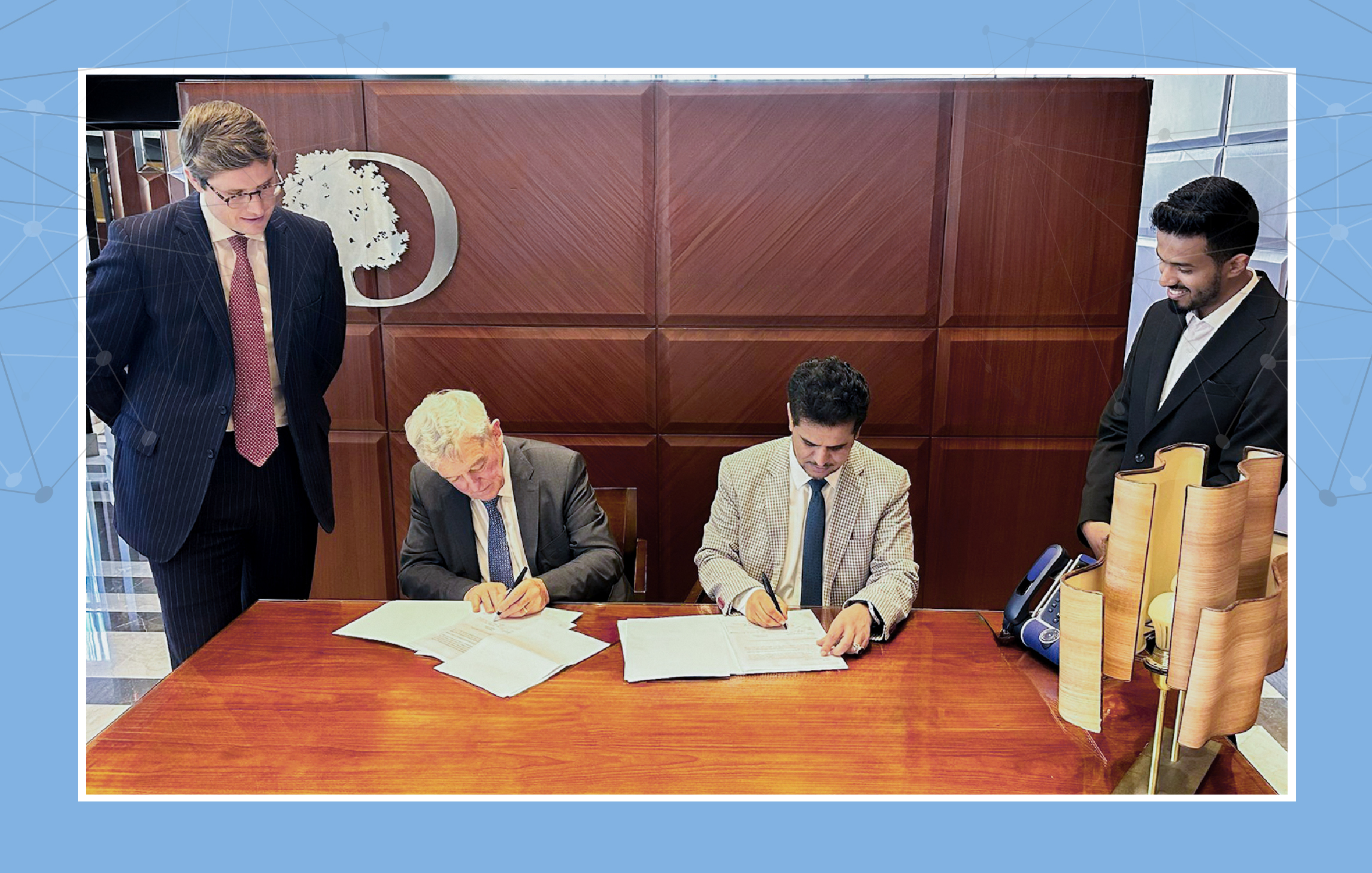
Organized by the Mokha Center for Strategic Studies in partnership with Istanbul Gelisim University, the conference aimed to strengthen academic dialogue on Middle Eastern issues and the region’s current and future transformations.
The conference provides an international platform to examine political, economic, and technological shifts in the region and beyond, and to discuss future trends in the Middle East amid ongoing conflicts, regional and international interventions, and overlapping challenges affecting the state, society, identity, security, and stability.
In his opening remarks, Ateq Jarallah, President of the Mokha Center for Strategic Studies, said the conference’s tenth edition offers an important space for academic dialogue and the exchange of perspectives on the future of the Middle East. He expressed hope that its discussions would produce practical recommendations that help understand the region’s challenges and anticipate its future paths.
Jarallah noted that the conference received around seventy academic papers covering issues related to the state, society, terrorism, identity, conflicts, and future opportunities for the region’s peoples and states.
He stressed that the Middle East remains a region shaped by conflict due to its geographic location, economic and strategic importance, and the role of international interventions in its crises. He added that the region’s crises should not be reduced to a single cause, but understood through interconnected factors, including geography, economics, strategy, identity crises, weak citizenship frameworks in some states, and the use of minorities as tools in struggles for influence.
The conference sessions address key issues related to the future of the Middle East, including the impact of regional conflicts on the economy and security, the legal boundaries of international wars, relations between regional states and global powers, and questions of society, identity, and humanitarian fragility caused by prolonged conflicts.
The papers presented reflect the expanding scope of debate from local to regional and international dimensions. Topics include the economic repercussions of the U.S.-Iran war, the legal dimensions of the war on Iran, the responsibility of third states, the Strait of Hormuz regime, and the impact of Uyghur fighters in Syria on Chinese-Syrian relations.
Yemen is also present in the conference through papers examining the future of the conflict and the impact of the war from 2014 to 2026 on women and children. These contributions highlight the humanitarian and social cost of prolonged conflict and the need to move from crisis description to practical approaches for resolution.
The conference also covers intellectual, historical, and cultural topics, including Judaism and Jews in the Qur’an from conceptual and historical perspectives, and Turkish-Arab relations in their historical context through the Palestinian question. This gives the conference a broad agenda spanning political, legal, economic, social, and intellectual fields.
The Mokha Center for Strategic Studies said its participation reflects its commitment to strengthening Yemeni and Arab research presence in international academic spaces and contributing to discussions on the future of the region amid rapid transformations reshaping the Middle East and international relations.
The 10th International Middle East Conference serves as an academic and intellectual platform for dialogue, knowledge exchange, and future-oriented analysis. It also highlights the importance of cross-border research cooperation in understanding the complex crises facing the region and developing more balanced visions for the future of the state, society, peace, and development in the Middle East.